
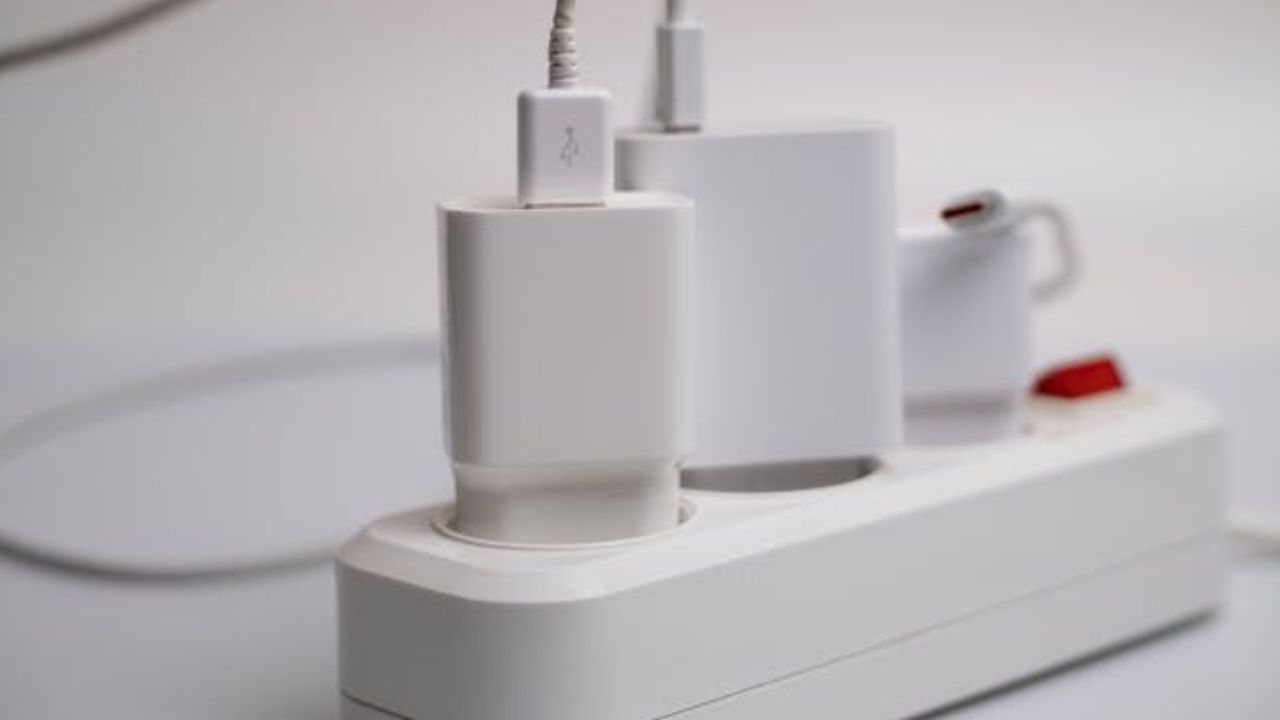
Power strips may seem like the perfect solution for connecting multiple devices at the same time, but the truth is they are not designed to handle every type of appliance.
+ Electricity bill: the impact of leaving Christmas tree lights on all night
When used incorrectly, power strips can cause overheating, short circuits, power outages and, in more serious cases, house fires.
To avoid risks, here are the 7 items that should never be plugged into a power strip — and what to do instead.
1. Refrigerator
The refrigerator is one of the appliances that consumes the most energy and requires a dedicated circuit. Plugging it into a power strip can instantly overload the circuit, since the compressor requires high start-up surges.
Risk: overheating and burning out the power strip.
2. Microwave
It may seem harmless, but it requires high power and electrical variation. The microwave should always be plugged directly into a wall outlet, preferably by itself.
Risk: instant overload, sparks and real fire hazard.
3. Air conditioner
Among the highest energy-consuming appliances in the home, the air conditioner can literally melt a power strip. It also usually requires exclusive circuits with specific amperage.
Risk: short circuit and melting cables.
4. Electric heaters
Portable and ceramic heaters are known for drawing power continuously and intensely.
Risk: combustion of the power strip’s plastic material and silent fires.
5. Dryers and washing machines
Even compact or portable versions consume far more than an extension can handle. The dryer, in particular, operates at high temperatures and high demand.
Risk: continuous overheating and motor damage.
6. Air fryer
Despite being popular and used daily, the air fryer works like a powerful electric oven — and this type of appliance should never share a power strip with other items.
Risk: melting plugs and sudden breaker shutdown.
7. Electric pots and high-powered coffee makers
They may seem harmless, but they work with internal heating elements. If you connect more than one thermal appliance to the same power strip, the current simply exceeds the safe limit.
Risk: overheated wires and invisible sparks.
What can be plugged into a power strip?
Use the power strip only for low-consumption items, such as:
- phone chargers
- table lamps
- laptops (individually, without other heavy devices)
- routers
- small speakers
How to use a power strip safely
- Check the voltage and maximum amperage indicated on the product.
- Avoid connecting multiple thermal appliances at the same time.
- Choose power strips with built-in circuit breakers and surge protection.
- Never place the power strip behind curtains (fire risk).
- Do not use old power strips or those with a burning smell, yellowed color or loose plugs.
A power strip is useful, but not foolproof. By connecting high-consumption appliances, you put your home and your family at real risk. The rule is simple: anything that heats, cools, compresses or generates high power should go directly into a wall outlet — and preferably on a dedicated circuit.
This content was created with the help of AI and reviewed by the editorial team.
